


How to Use a Jump Starter Safely Without Damaging Your Car

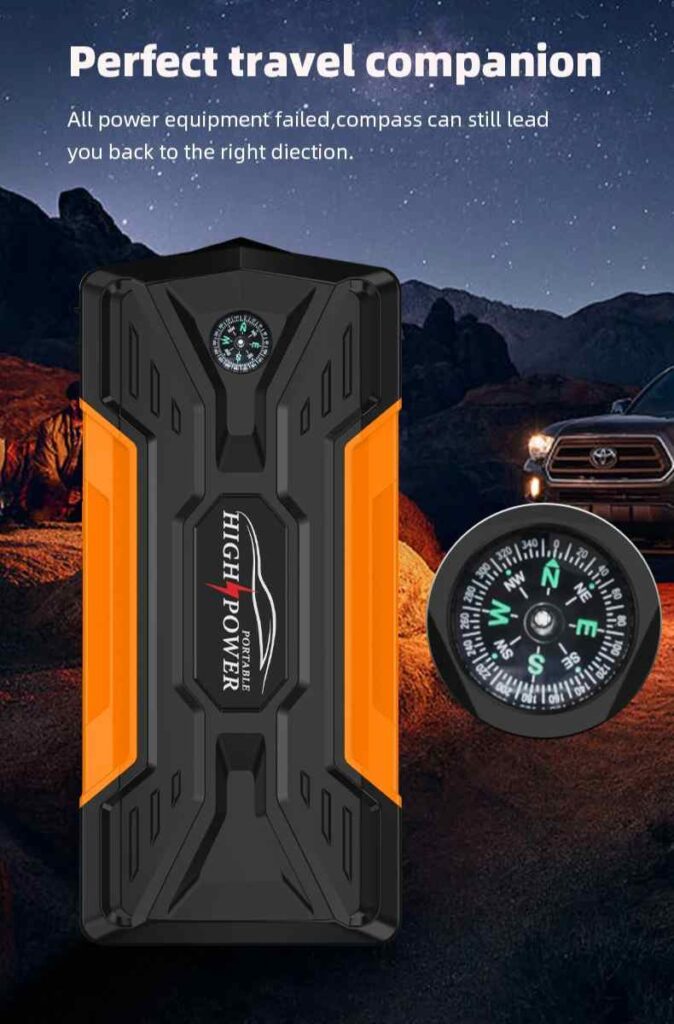
When your car battery dies unexpectedly, it can ruin your entire day—especially if you’re stuck with no one around to help.
That’s why portable jump starters have become a must-have tool for drivers. They let you jump-start your car without needing a second vehicle, roadside assistance, or long waiting times. But if used the wrong way, jump starters can damage your battery, car electronics, or even cause injury.
So how do you use one properly? In this detailed guide, we’ll walk you through how to use a jump starter safely, step by step. We’ll also answer a common concern among drivers: can a jump starter damage your car?
Let’s go over everything you need to know to use a jump starter the right way—without causing harm to your vehicle.
What Is a Portable Jump Starter and Why Should You Own One?
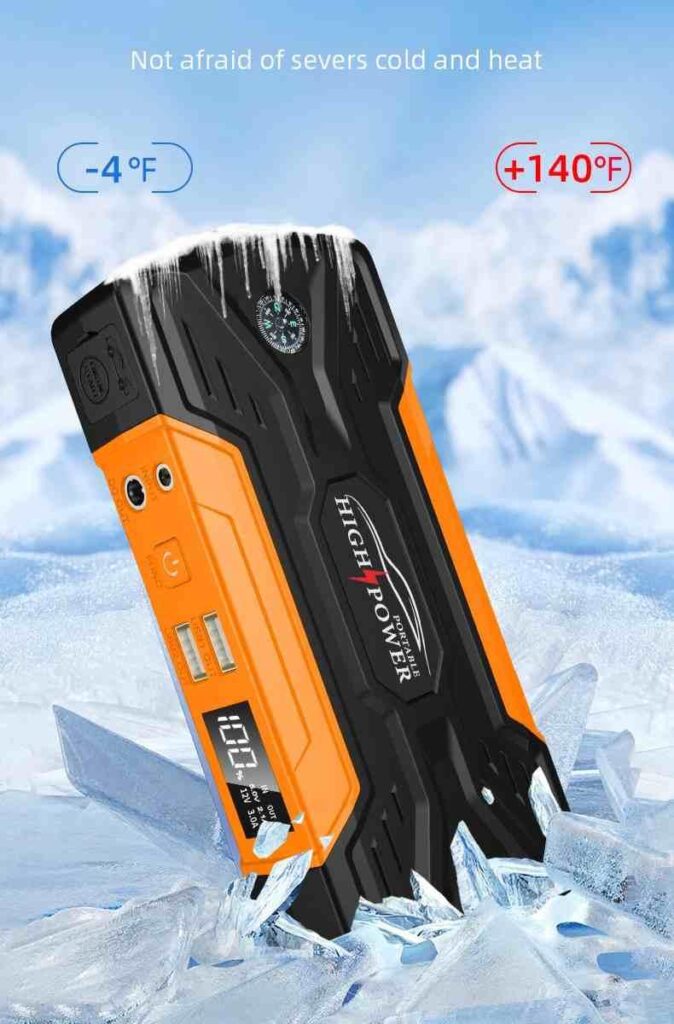
A portable jump starter is a compact and powerful device that can bring your dead car battery back to life—no second vehicle required. Unlike traditional jumper cables, it operates independently. Simply connect the clamps to your battery, power it on, and it delivers the boost needed to start your engine. Understanding how to use a jump starter safely properly ensures both safety and success.
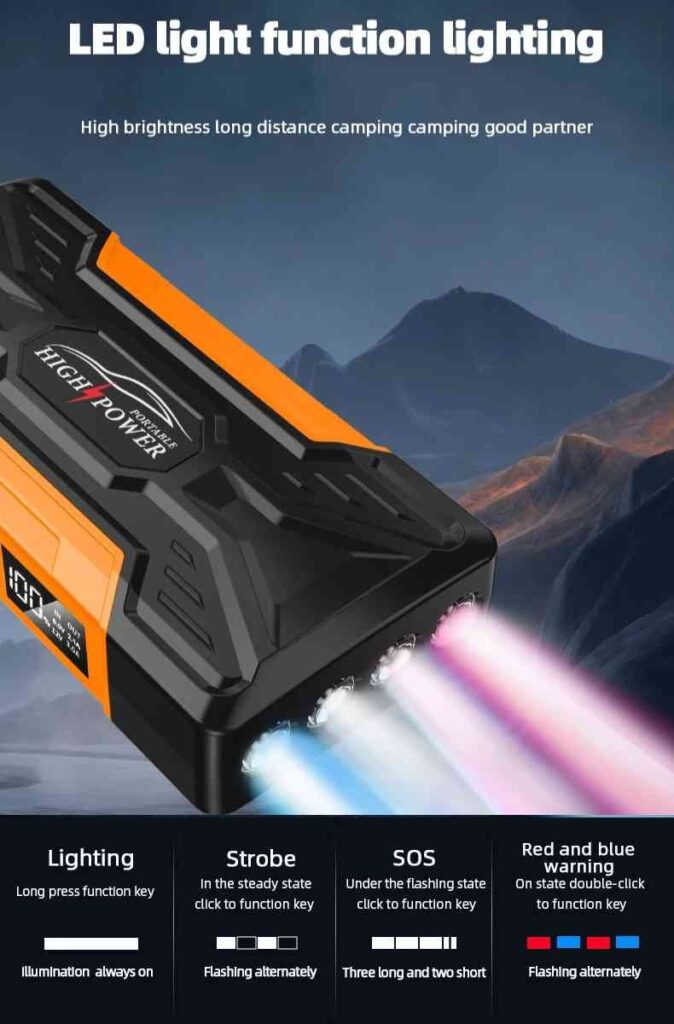
Most modern jump starters are lightweight, rechargeable, and come equipped with handy features such as built-in flashlights, USB charging ports, and battery level indicators. Keeping one in your car provides a sense of security and independence—especially useful during bad weather or when help is far away. Knowing how to use a jump starter safely can make all the difference when you’re faced with an unexpected breakdown.
Can a Jump Starter Damage Your Car?
One of the most common questions asked by car owners is: can a jump starter damage your car? The short answer is: yes, but only if used incorrectly.
Jump starters work by delivering a sudden burst of electrical energy to your battery. If the clamps are connected to the wrong terminals, if the jump starter is too powerful for your vehicle, or if it’s used on a damaged battery, it can cause problems. Issues could include blown fuses, fried electronics, sparks, or even battery explosions in rare cases.
The good news is that when used properly, modern jump starters are very safe. Many now come with built-in protections like reverse polarity alarms, spark-proof clamps, and over-voltage protection. That’s why understanding how to use a jump starter safely is so important.
How to Use a Jump Starter Safely: Step-by-Step Guide
How to Use a Jump Starter Safely: Step-by-Step Guide
Here’s a simple, safe way to use your portable jump starter:
1. Read the Manual First
Jump starters can vary widely in operation, so it’s essential to take five minutes to read the user manual before use. Pay close attention to instructions, warnings, power ratings, and how long the device should stay connected to avoid mishaps.
2. Turn Off Your Vehicle and Accessories
Before connecting the jump starter, make sure your car ignition is off. Turn off all lights, radios, and electronic devices as well. This reduces the risk of electrical surges when the jump starter is activated.
3. Inspect the Jump Starter and Battery
Check your car battery for issues like leaks, swelling, or corrosion on the terminals. Also, inspect the jump starter itself to ensure the cables are intact and the clamps are clean. Never use a jump starter on a damaged battery—it could be dangerous.
4. Connect the Clamps Correctly
Properly connecting the clamps is essential for both safety and effectiveness. If you’re learning how to use a jump starter safely , following these steps carefully is crucial:
- Connect the red (positive +) clamp to the positive terminal on your car battery.
- Connect the black (negative –) clamp to an unpainted, solid metal part of the vehicle’s frame. Only connect it to the battery’s negative terminal if your jump starter’s manual specifically recommends it.
Understanding how to use a jump starter safely the right way not only protects your vehicle but also helps you avoid potential electrical hazards. Always refer to the manufacturer’s instructions for best results. incorrectly.
5. Turn On the Jump Starter
After securing the clamps, power on the jump starter. Some models turn on automatically once a proper connection is made, while others require manual activation.
6. Start Your Car
Attempt to start your car. If it doesn’t start immediately, wait 30 seconds to a minute before trying again. Most jump starters are designed to provide only short bursts of power, so avoid repeated attempts that could drain the unit or overheat your battery.
7. Disconnect the Clamps Safely
Once the engine successfully starts, it’s important to disconnect the clamps safely and correctly. If you’re learning how to use a jump starter safely , proper removal is just as critical as the initial connection.
Follow these steps:
- First, remove the black (negative –) clamp.
- Then, remove the red (positive +) clamp.
- Make sure the clamps do not touch each other or any metal surfaces during removal.
Knowing how to use a jump starter safely from start to finish ensures your safety and protects your vehicle’s electrical system. Always handle the clamps with care and follow your device’s instructions..
8. Run the Engine and Recharge the Jump Starter
Let your car engine run for 15–30 minutes to recharge the battery. If the battery keeps failing after this, it may need replacement. Don’t forget to recharge your jump starter promptly so it’s ready for the next use.
By following these steps, you’ll ensure safe and effective use of your jump starter, keeping you prepared for any surprise battery issues on the road.
Common Mistakes That Can Damage Your Car
Even though portable jump starters are designed with safety in mind, mistakes can still lead to serious issues. If you’re learning how to use a jump starter safely, avoiding these common errors is key to staying safe and protecting your vehicle.
- Reversing the Clamps: Never connect the red clamp to the negative terminal or the black clamp to the positive terminal. This can cause dangerous sparks, battery damage, or even short-circuit your car’s electrical system.
- Using the Wrong Jump Starter: Make sure your jump starter is compatible with your vehicle’s power requirements. Too little power won’t be effective, and too much can damage your car’s electronics. Always check the voltage and amp ratings in your owner’s manual.
- Using on a Damaged or Frozen Battery: If your battery is cracked, leaking, or frozen, don’t attempt to use a jump starter—it’s a serious safety hazard. Call a professional instead.
- Leaving It Connected Too Long: Once the engine starts, disconnect the jump starter immediately. Leaving it connected too long may cause overheating or a voltage surge that could harm your car’s systems.
Understanding how to use a jump starter safely correctly—and what not to do—can help you avoid costly or dangerous mistakes. Always read the instructions and take safety seriously.
Safety Features to Look for in a Portable Jump Starter
Safety Features to Look for in a Portable Jump Starter
Investing in a high-quality jump starter can help prevent common issues and ensure safe usage.
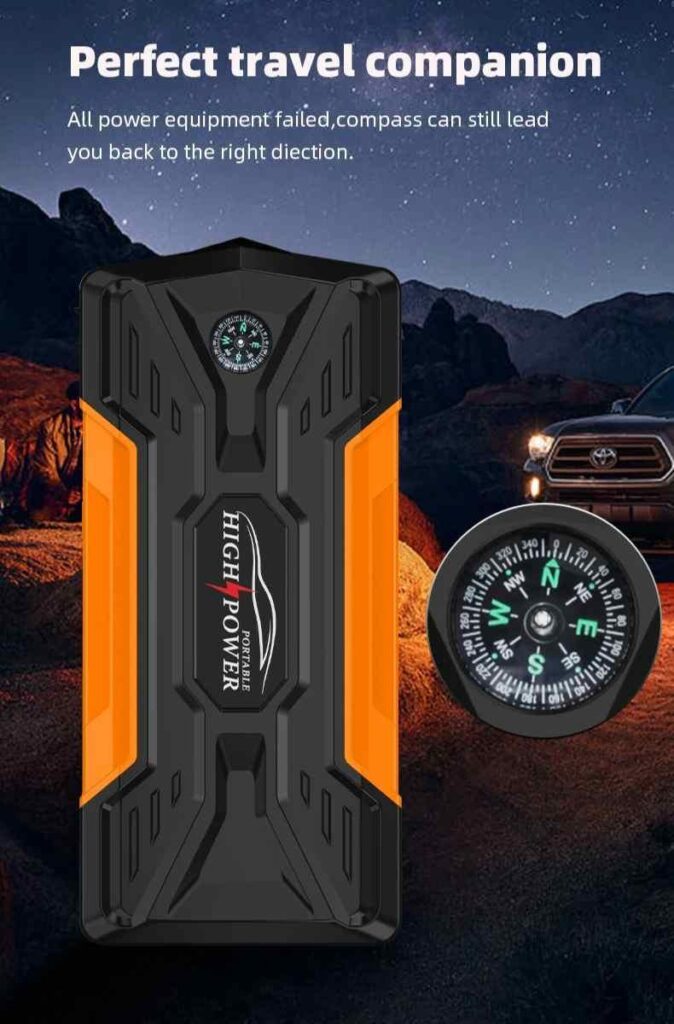
Look for essential safety features such as reverse polarity protection, which alerts you if the cables are connected incorrectly, and over-voltage protection to prevent excess power from damaging your battery. Short-circuit protection is also critical, as it shuts down the device if a malfunction occurs, while spark-proof clamps reduce the risk of fire during connection.
These advanced safety features not only protect your car but also give you peace of mind when using the device. With the right portable jump starter, you can confidently handle emergencies without worrying about potential damage to your vehicle.
When Should You Use a Jump Starter?
A jump starter is specifically designed to help with dead or weak batteries—it won’t solve other mechanical problems. If your engine cranks slowly or you hear clicking or silence when turning the key, it’s often a sign of a low battery. In these cases, knowing how to use a jump starter safely can quickly get you back on the road by supplying the necessary power to start your vehicle.
However, if your headlights and other electronics work normally but the engine still won’t start—even after using a jump starter—it could signal a deeper issue. Problems like a faulty starter motor, fuel system failure, or a malfunctioning alternator might be the real cause. Repeated attempts won’t help and may cause further damage.
Understanding how to use a jump starter safely is essential for handling battery-related issues, but if the jump doesn’t work, it’s best to stop troubleshooting and contact a professional mechanic.
When to Replace Your Car Battery Instead
Jump-starting your car is a quick fix, but if your battery keeps dying or won’t hold a charge, it’s likely time for a replacement. A failing battery can leave you stranded, so it’s important to spot the signs early. Common signs include: If you find yourself relying on frequent jump starts—even after charging the battery—it may be a sign that your battery is nearing the end of its life. Most car batteries last between 3 to 5 years, and once they age, their reliability declines. Learning how to use a jump starter safely can help in a pinch, but it won’t solve an underlying battery issue.
Other warning signs include a persistent dashboard battery light, visible corrosion on the terminals, or physical damage such as leaks or swelling in the battery case. While jump starters are excellent emergency tools, repeated use is not a long-term fix.
Knowing how to use a jump starter safely is useful for short-term solutions, but replacing a worn-out battery promptly is the best way to ensure your vehicle stays dependable and road-ready.
Conclusion
A portable jump starter is a valuable tool for every driver—but only when used properly.
Misuse can lead to electrical damage, personal injury, or a damaged battery, which is why it’s so important to understand both the process and the risks. If you’ve ever wondered, can a jump starter damage your car, the answer is yes—but it’s avoidable with the right knowledge and steps.
Now that you understand how to use a jump starter safely, you can hit the road with confidence, knowing you’re prepared for unexpected battery issues. We recommend investing in a reliable jump starter, following all safety guidelines, and keeping it on hand—no need for jumper cables or waiting for a tow. If you have any questions, please contact us.