


Can a Jump Starter Charge a Battery or Only Jump-Start It?

In today’s world, a dead car battery can feel like a full-stop moment—especially when you’re in a rush.
That’s why many drivers turn to portable jump starters for help. But there’s one big question that often comes up: can a jump starter charge a battery? The answer may surprise you. While jump starters are incredibly useful, they’re not always designed to charge a battery in the traditional sense.
In this guide, we’ll break down how jump starters work, when they’re helpful, and—most importantly—when they’re not enough. We’ll also explain the difference between charging and jump-starting so you’ll never be caught off guard.
What Is a Jump Starter, and What Does It Actually Do?
Can a Jump Starter Charge a Battery or Only Jump-Start It?
Before addressing the key question—can a jump starter charge a battery—it’s important to first understand what a jump starter is.
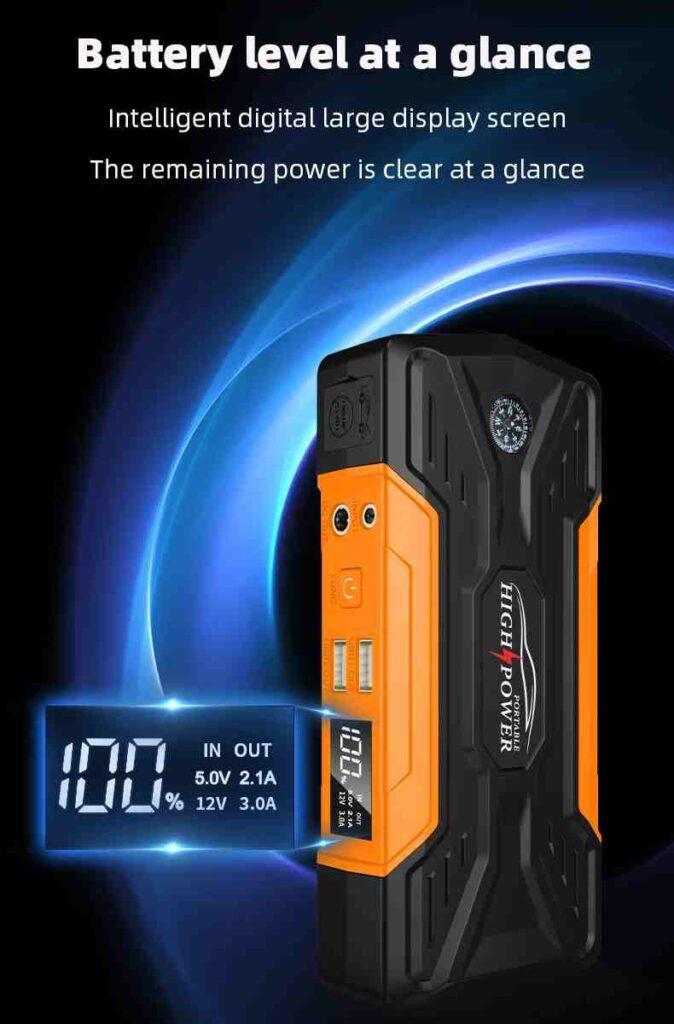
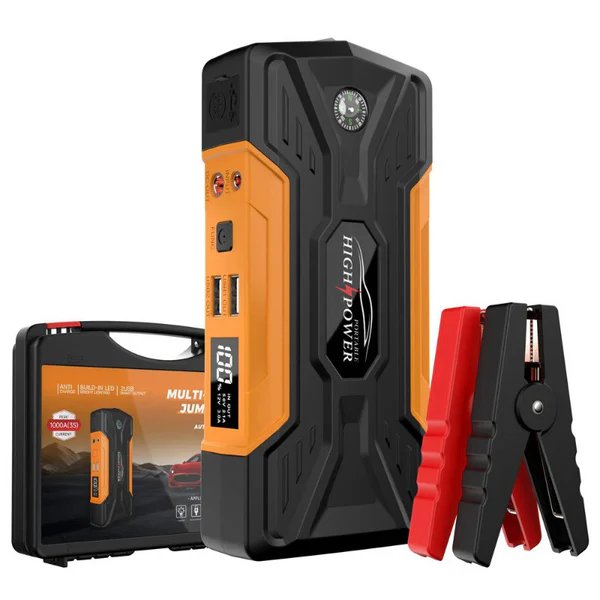
A jump starter is a portable power device designed to deliver a quick burst of energy powerful enough to start a car with a weak or dead battery. Essentially, it acts as a substitute for a second vehicle in a traditional jump-start scenario, providing just enough power to get your engine running.
Unlike battery chargers, jump starters don’t rely on being plugged into a power outlet during use. Instead, they operate independently, making them an ideal solution for emergencies when you’re stranded without access to electricity or assistance from another driver.
Charging vs. Jump-Starting: What’s the Difference?
A common mistake is thinking that jump-starting and battery charging are the same thing. In reality, they are very different:
Jump-Starting
Jump-starting provides a quick, powerful boost to your car battery, allowing the engine to start immediately. This process is ideal when your battery is too weak to crank the engine on its own. By connecting jumper cables or a jump starter to the battery, enough energy is delivered to power the ignition.
Once the engine is running, the vehicle’s alternator takes over. It begins recharging the battery while ensuring the engine and electronic systems function properly during your drive.
Charging
Charging gradually restores your car battery’s energy using a consistent power supply, typically from a wall outlet. This method is perfect for maintaining battery health or reviving a partially drained battery over time. Using a battery charger, power is delivered steadily to ensure the battery recharges safely.
Unlike jump-starting, charging takes longer but offers a more sustainable way of restoring full battery capacity, making it essential for long-term maintenance and reliable performance.
So when people ask, can a jump starter charge a battery, the answer depends on what they mean. If you’re asking whether it can recharge a completely dead battery for long-term use—the answer is generally no.
Can a Jump Starter Charge a Battery Fully?
Can a Jump Starter Charge a Battery Fully?
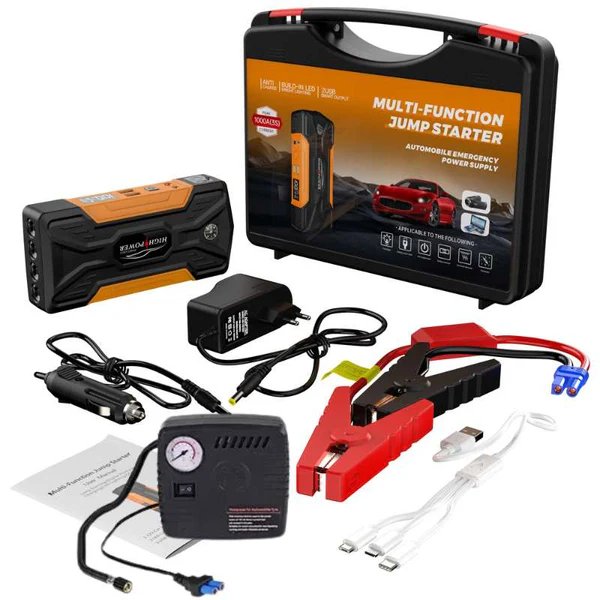
Portable jump starters are not typically designed to fully recharge your car battery. Their primary purpose is to deliver enough power to start your engine. Once the engine is running, the car’s alternator takes over and naturally recharges the battery.
That said, some advanced jump starters come equipped with a trickle charging feature, allowing them to slowly charge the battery. However, these models are uncommon and often more expensive. For a complete battery recharge, you’ll usually need a dedicated battery charger or a trip to a service center.
So, the question—can a jump starter charge a battery?—doesn’t have a straightforward yes or no answer. It ultimately depends on the jump starter’s capabilities and the condition of your battery.
When Can a Jump Starter Help—and When It Can’t
When It Can Help:
-
-
- Your car battery is weak but not completely drained
-
- The weather is cold and the battery needs a quick boost
-
- You left the lights on overnight and just need a temporary fix
- You’re in a remote location with no other vehicles nearby
-
When It Won’t Help:
-
-
- The battery is severely discharged (below 10 volts)
-
- The battery is damaged or leaking
-
- The battery is older than 4–5 years and no longer holds a Jump Starter Charge
- You need to restore full battery power for long trips
-
In these situations, using a jump starter might allow the car to start temporarily, but it won’t fix the underlying issue. Again, can a jump starter charge a battery? Not if the battery is beyond recovery—it’s time to replace it or use a proper Jump Starter Charge.
Types of Jump Starters and Their Capabilities
There are two main types of jump starters on the market:
1. Basic Lithium-Ion Jump Starters
-
-
- Compact and lightweight
-
- Provide a high-power boost for starting engines
-
- Do not charge the battery fully
- Good for emergency use
-
2. Jump Starters with Charging Functions
-
-
- Usually heavier and more expensive
-
- Offer both jump-start and slow charging (trickle charge)
-
- Can partially recharge a weak battery over time
- Useful for maintaining infrequently driven vehicles
-
If you’re wondering can a jump starter charge a battery and you’re using a basic model, it’s not going to fully charge it. You’ll need a different tool for that.
How to Know If Your Battery Needs More Than a Jump
How to Know If Your Battery Needs More Than a Jump
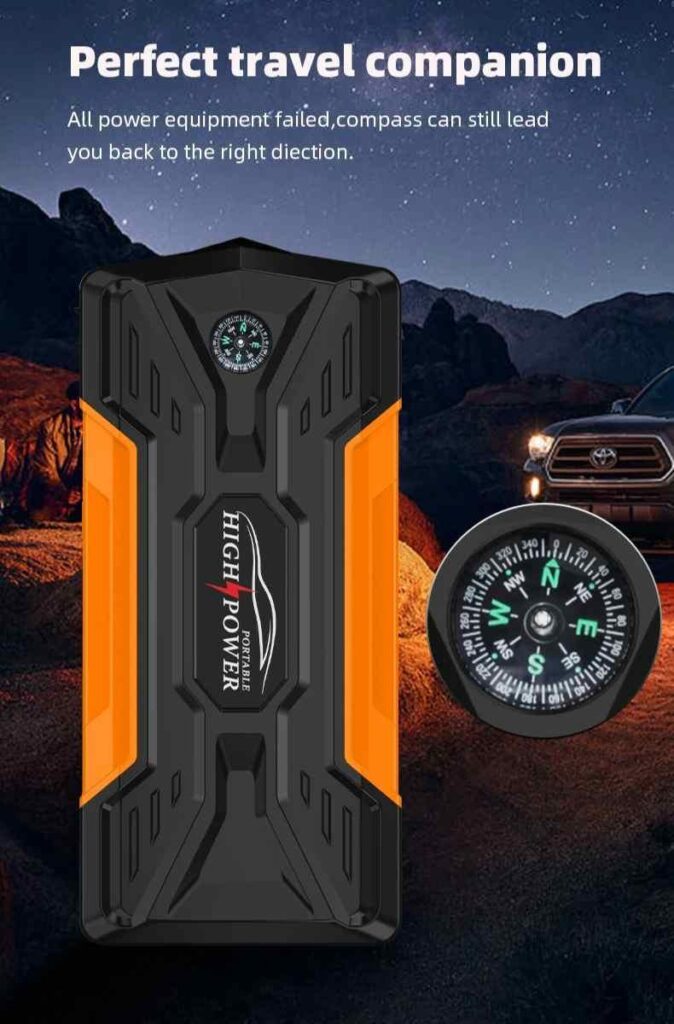
While using a jump starter may seem like the go-to fix for a dead battery, it’s important to recognize when the problem runs deeper. There are situations where a quick boost won’t be enough—and a more permanent solution is needed.
Can a jump starter charge a battery? Not exactly. A jump starter provides a temporary surge of power to get your engine running, but it doesn’t recharge the battery itself. If your vehicle fails to start again after short drives, the battery voltage stays below 10V even after running the engine, or you notice warning lights, dim headlights, or require multiple jump starts in a week—these are red flags.
In such cases, instead of asking can a jump starter charge a battery, you should be asking whether the battery is worth saving. The best course of action is to get it professionally tested or replaced to avoid getting stranded again.
How to Use a Jump Starter Safely
Even though a jump starter doesn’t fully charge your battery, it remains a valuable emergency tool—when used correctly and safely. Many people wonder, can a jump starter charge a battery? The answer is no—it’s designed to provide a quick power boost, not a complete recharge.
To use your jump starter safely, follow these basic steps:
-
-
- Turn off the vehicle and all accessories (lights, radio, etc.)
-
- Attach the red clamp to the battery’s positive terminal (+)
-
- Attach the black clamp to an unpainted metal surface on the car’s frame (not the battery)
-
- Power on the jump starter
-
- Start the engine
- Once the car is running, remove the clamps in reverse order
-
Always consult your jump starter’s manual for specific safety guidelines. And remember, never use it on a battery that’s leaking or visibly damaged. If you’re still asking, can a jump starter charge a battery, the key takeaway is this: it’s for starting, not charging.
What to Do After Jump Starting Your Car
After using your jump starter to get the engine running, it’s essential to let the car idle for 15–30 minutes. This gives the alternator time to recharge the battery properly and helps restore some power.
But if your battery keeps dying, it’s time to dig deeper. Common causes include a malfunctioning alternator that’s failing to recharge the battery, electrical drains from interior lights or devices left plugged in, or simply an aging battery nearing the end of its life. You might be asking: can a jump starter charge a battery? The answer is no—it only provides a temporary boost to start the car, not a full recharge.
To resolve these issues, have your alternator inspected, check for parasitic power drains, and get your battery professionally tested—many auto shops offer this service at little or no cost. If the problem persists, it may point to a broader electrical fault. Always remember: can a jump starter charge a battery isn’t the real question—figuring out why the battery keeps failing is what truly matters.
Conclusion
A jump starter is designed to deliver enough power to get your car started, but it’s not intended to fully recharge a dead battery—especially if the battery is severely discharged or damaged. In such cases, even asking can a jump starter charge a battery misses the point—it’s simply not built for long-term charging.
For ongoing battery maintenance or full charging, a dedicated battery charger or trickle charger is the right tool. Depending only on a jump starter for these tasks is inadequate and could lead to recurring issues or even battery failure.
While a jump starter is incredibly useful in emergencies, it’s not a long-term solution for battery recovery. Can a jump starter charge a battery? No—it’s a temporary aid, not a replacement for proper charging tools. Always use caution and follow safety guidelines when working with battery equipment. For further assistance, don’t hesitate to reach out to our team.