


Difference Between Jump Starter and Battery Charger: Which One Is Right?

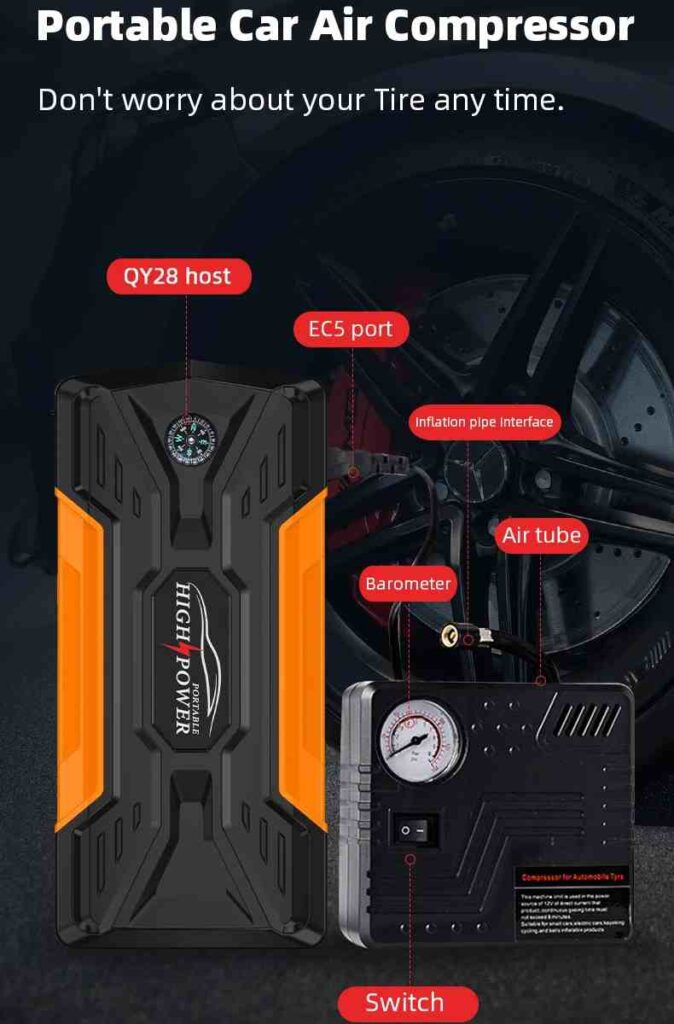
When your car battery unexpectedly dies, knowing the difference between jump starter and battery charger can save you time, money, and stress. Many drivers assume these two devices do the same job, but they work in very different ways. Understanding the difference between jump starter and battery charger is essential if you want to be prepared for emergencies and maintain your vehicle’s battery health over time.
A jump starter gives you instant power to get back on the road, while a battery charger restores energy gradually to keep your battery strong and ready. Whether you’re planning a road trip, storing a car for winter, or simply want peace of mind, learning how each tool works will help you choose the right one.
What Is a Jump Starter?
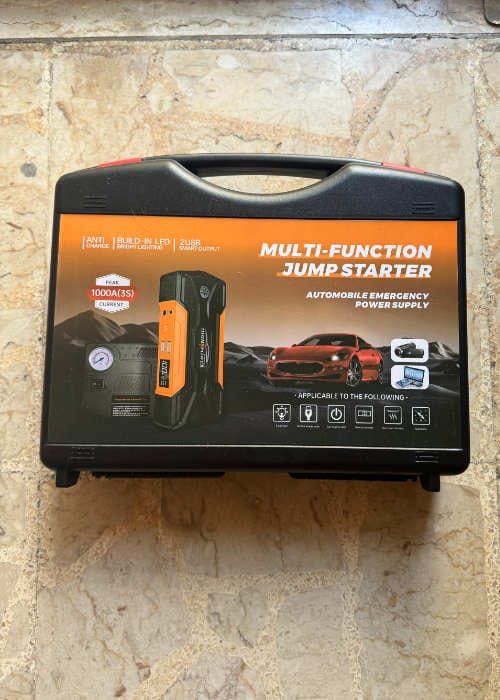
A jump starter is a compact, portable device designed to deliver instant power to a dead car battery, allowing you to start the engine without the need for another vehicle. With its built-in battery and attached jumper cables, it provides a high-energy boost directly to your battery in seconds. Understanding the difference between jump starter and battery charger is key—while a jump starter offers immediate power, it does not recharge the battery over time.
Many modern jump starters also come equipped with USB ports, flashlights, or even air compressors, making them useful in a variety of emergency situations. Lightweight and user-friendly, they’re ideal for drivers who value convenience and preparedness. Remember, the difference between jump starter and battery charger lies in their purpose: jump starters offer quick starts, while battery chargers are designed for gradual, long-term recharging.
How Jump Starter Works and Its Types
A jump starter is a portable device designed to deliver a quick surge of power to a dead car battery, allowing you to start your engine without needing another vehicle. By connecting the clamps to the battery terminals, it sends a high current directly to the battery, helping crank the engine in seconds. This highlights one key difference between jump starter and battery charger—jump starters provide instant power, not a gradual charge.
After the engine starts, your car’s alternator begins recharging the battery as you drive. Jump starters come in two main types: traditional lead-acid models and modern lithium-ion versions. Lead-acid jump starters are bulkier and ideal for larger vehicles like trucks, while lithium-ion models are lightweight, compact, and convenient to store in your trunk or glovebox. Many lithium jump starters also offer extra features like USB charging ports or built-in flashlights, adding versatility for roadside emergencies.
No matter the type, a quality jump starter offers dependable backup when your battery fails. Understanding the difference between jump starter and battery charger ensures you choose the right solution—immediate engine starting versus slow, steady battery maintenance.
What Is a Battery Charger?
A battery charger is a device that replenishes energy in a rechargeable battery by steadily applying an electric current over time. Available in a range of models—from basic units for straightforward charging to advanced smart chargers—they are designed to maintain battery health and prevent overcharging or damage. When exploring the difference between jump starter and battery charger, it’s important to note that chargers work gradually, not instantly.
Modern battery chargers often feature fast-charging technology, LED indicators to display progress, and compatibility with various battery types and sizes. They are ideal for maintaining battery performance over the long term. The difference between jump starter and battery charger lies in their function: while chargers restore charge over hours, jump starters provide a quick burst of power to get your vehicle running immediately.
Understanding Battery Chargers and Their Types
Battery chargers restore energy to a discharged car battery by providing a steady flow of electrical current. Unlike a jump starter, which delivers an instant power boost, a charger connects to the batA battery charger connects directly to your vehicle’s battery terminals and plugs into a household outlet, gradually restoring power over several hours. This controlled process safely recharges the battery without risking damage—one of the key elements in understanding the difference between jump starter and battery charger.
Most modern chargers are equipped with built-in safety features to prevent overcharging or overheating. Once the battery is fully charged, they automatically switch to maintenance mode to preserve battery health. There are three main types of battery chargers available:
- Standard Chargers: Provide a constant charge and require manual monitoring to avoid overcharging.
- Smart Chargers: Automatically adjust the charging rate based on the battery’s condition and shut off when charging is complete.
- Trickle Chargers: Offer a slow, steady charge ideal for vehicles that remain unused for long periods.
Choosing the right charger depends on your vehicle’s usage and maintenance habits. Understanding the difference between jump starter and battery charger will help you select the best tool—whether you need emergency power or long-term battery care.
Difference Between Jump Starter and Battery Charger

Understanding the difference between jump starter and battery charger is important for maintaining a vehicle’s battery and ensuring reliable performance. Both tools play a role in managing battery health, but they serve distinct purposes and function differently.
A jump starter is designed to provide an immediate burst of power to a dead or drained battery, allowing a vehicle to start without the help of another car. It typically includes a built-in battery, cables, and connectors for instant use. This makes it particularly useful in emergencies, such as when you’re stranded with a non-starting vehicle. A jump starter is portable and easy to operate, offering a quick fix to get your car moving again.
On the other hand, a battery charger works by delivering a steady charge to recharge a depleted battery over time. Unlike the jump starter, it requires an external power source and operates more slowly, usually taking several hours or more to fully charge a battery. Battery chargers are ideal for maintenance or for reviving a deeply discharged battery when time is not an immediate concern.
The primary difference between jump starter and battery charger lies in their usage context. Jump starters are typically used in urgent situations, while battery chargers focus on long-term maintenance and gradual recharging. For those who experience frequent battery issues or long periods of vehicle inactivity, a battery charger might be a better choice. Conversely, a jump starter is essential for those who want the assurance of a fast solution in an emergency.
Another major difference between jump starter and battery charger is that jump starters are self-contained units that don’t rely on external power, making them fully portable. Battery chargers, however, must be plugged into a power outlet during use. This distinction highlights the convenience and portability of jump starters compared to the more stationary nature of battery chargers.
Which One Do You Need?
Deciding between a jump starter and a battery charger depends on how you drive and the type of battery issues you want to prevent. If you’re looking for immediate help when your battery unexpectedly dies—such as during a road trip, in a parking lot, or on a cold winter morning—a jump starter is your best option. It delivers instant power, allowing you to start your car without needing another vehicle or waiting for roadside assistance. This is a key part of understanding the difference between jump starter and battery charger.
On the other hand, if your car sits unused for extended periods or you typically take short trips that don’t allow the battery to fully recharge, a battery charger is the smarter solution. It gradually restores and maintains battery health over time. Many drivers choose to have both tools: a jump starter in the trunk for emergencies, and a charger at home to prevent battery drain. Ultimately, the difference between jump starter and battery charger comes down to use case—immediate rescue versus long-term maintenance.
Tips for Buying and Using Safely
When buying a jump starter or battery charger, it’s important to choose the right size and features for your vehicle. Check your car’s engine size and battery type—larger engines may need a more powerful jump starter with higher peak amps. For battery chargers, make sure the charger’s voltage matches your battery (usually 12 volts for most cars). Look for safety features like reverse polarity protection, overcharge protection, and smart charging modes that automatically switch off when the battery is full.
- Always read the instructions before using a jump starter.
- Connect the clamps correctly: red to positive, black to negative.
- Never touch the clamps together when the unit is on.
- Keep metal objects away from the battery to avoid sparks.
- Use battery chargers in a dry, well-ventilated space.
- Ensure your charger is compatible with your battery type (e.g., AGM or deep-cycle batteries).
- Don’t leave old-style chargers connected too long without supervision to prevent overcharging.
- Store your jump starter fully charged and check it regularly.
- A charged jump starter ensures it’s ready to help in an emergency.
Knowing the difference between jump starter and battery charger helps decide the right tool for the situation. Use a jump starter when your battery is dead and you need to start your car immediately. Use a battery charger to maintain your battery’s health or recharge it slowly to extend its lifespan.
FAQs
Is it safe to use a jump starter?
Yes, as long as you follow the instructions and take proper safety precautions. Keep the jump starter away from water or wet conditions, and always handle it with care.
Can I use any jump starter on my car?
No, make sure to check the compatibility of your jump starter with your car’s battery before using it. Some jump starters may not be suitable for certain types of batteries.
How often should I check my jump starter’s charge?
It is recommended to check your jump starter’s charge at least once a month. This will ensure that it is ready for use in case of emergency situations.
Can a dead battery be revived with a battery charger?
Yes, a dead battery can be revived with a battery charger. However, it is important to note that not all batteries can be revived and the success of reviving a dead battery depends on various factors such as the age and condition of the battery.
Conclusion
Having a well-charged battery and a dependable jump starter is essential for preventing unexpected breakdowns. To stay prepared, it’s important to regularly check and maintain your jump starter’s charge, ensuring it’s ready to deliver power when needed. This simple habit offers peace of mind and added safety while driving.
While a battery charger can sometimes revive a dead battery, its effectiveness depends on the battery’s age and overall condition. Understanding the difference between jump starter and battery charger is key—jump starters offer immediate assistance, whereas chargers work over time to restore and maintain battery health. Knowing the difference between jump starter and battery charger helps you choose the right tool for both emergencies and long-term maintenance.
By staying proactive with maintenance and understanding these crucial points, you can reduce inconveniences and extend the life of your vehicle’s battery. Taking these small but impactful steps ensures you are prepared for any challenges that may arise.
If you have any questions, please contact us.