


How Many Amps to Jump Start Car? A Quick Guide to Portable Jump Starters

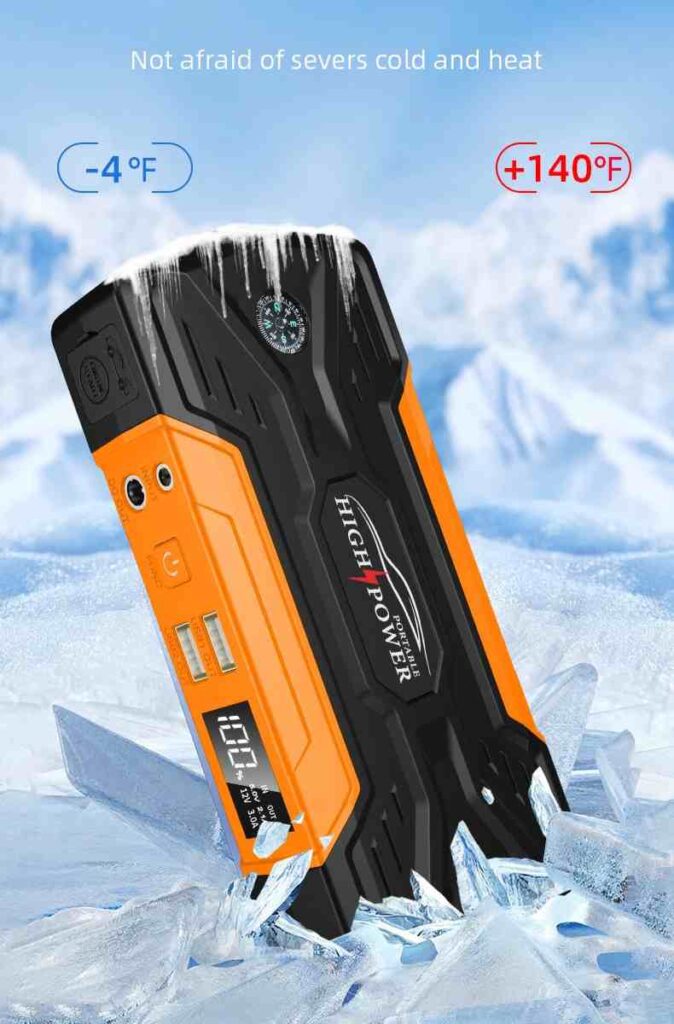
When your car won’t start and there’s no one nearby to lend a hand, a portable jump starter can be a true lifesaver.
However, not all jump starters offer the same power. A common question drivers ask is: how many amps to jump start car safely and effectively? Others want to know what size jump starter is best for their specific vehicle type.
These are crucial considerations. Choosing a model with the wrong amperage could lead to poor performance—or leave you stranded with a dead battery when you need help most.
In this guide, we’ll break down how many amps to jump start car based on engine type, explain how jump starter amps work, and help you pick the right model without overspending.
Why Amperage Matters in a Jump Starter
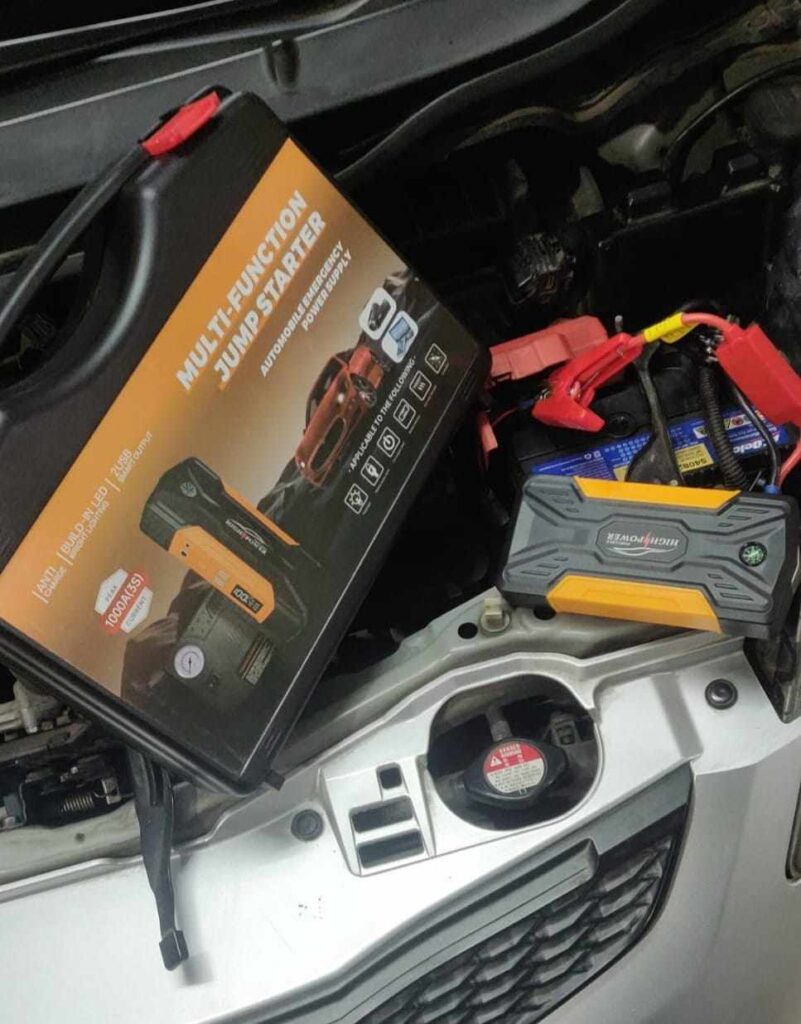
Amperage measures the strength of the electric current a jump starter provides to your vehicle’s battery.
When dealing with a dead battery, your car requires a powerful surge of current to turn the engine over. If the portable jump starter doesn’t supply enough amps, the car simply won’t start.
Determining how many amps are needed to jump-start a car depends on several factors, such as engine size, vehicle type, climate conditions, and the battery’s overall health.
Choosing a portable jump starter with the appropriate amperage is essential for ensuring a safe, efficient, and successful jump every time..
What’s the Difference Between Peak Amps and Cranking Amps?
WWhen shopping for a jump starter, you’ll often come across two important ratings: peak amps and cranking amps (including cold cranking amps or CCA). Understanding these values is essential when determining how many amps to jump start car batteries reliably.
Peak Amps: This is the maximum current the jump starter can deliver in a very short burst. While it sounds impressive, it’s not the best indicator of real-world performance, as it doesn’t reflect sustained power output.
Cranking Amps (CA): This measures how much current the jump starter can provide continuously for 30 seconds at 32°F (0°C). It’s a far more accurate gauge of the unit’s actual capability.
Cold Cranking Amps (CCA): Especially important in colder climates, this tells you how many amps the jump starter can deliver at 0°F (–18°C) for 30 seconds. It’s often the most practical number to compare.
When asking how many amps to jump start car engines, focus on cranking amps or cold cranking amps rather than peak amps. These specs give you a clearer picture of the power needed to get your vehicle started, especially in challenging conditions.
How Many Amps to Jump Start a Car: General Guidelines
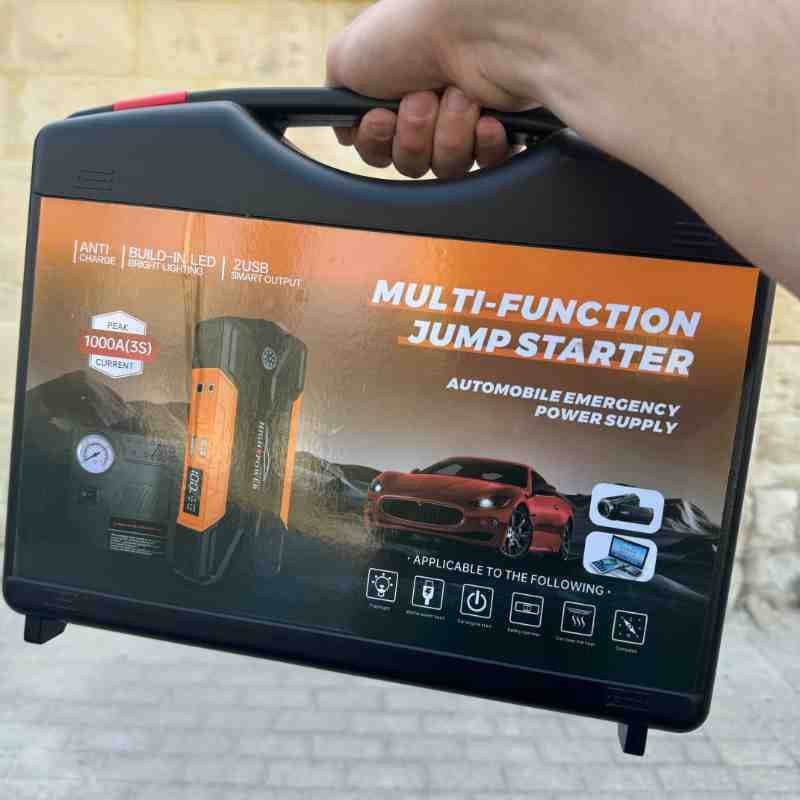
Here’s a rough breakdown of how many amps different types of vehicles typically require:
| Vehicle Type | Recommended Jump Starter Amps |
| Motorcycles, lawnmowers | 75–150 amps |
| Compact cars & sedans | 150–250 amps |
| SUVs & small trucks | 300–500 amps |
| Full-size trucks & vans | 400–600 amps |
| Diesel engines | 500–1000+ amps |
As you can see, the answer to how many amps to jump start a car varies based on what you drive. A compact sedan may only need 200 amps, while a diesel pickup in winter conditions may require over 1000.
Climate Also Plays a Role in Amperage Needs
In cold climates, car batteries require more power to start because low temperatures slow down the chemical reactions inside the battery. Even a fully charged battery produces less energy in freezing conditions, which can make it difficult to get your engine running.
This is where cold cranking amps (CCA) become crucial—they measure a battery’s ability to deliver power in low temperatures. If you’re wondering how many amps to jump start car batteries in winter, the answer is higher than in warm weather. For instance, a standard sedan may only need 250 amps under normal conditions, but that number can jump to 400–500 amps when temperatures drop.
To ensure reliable starts in cold weather, choose a portable jump starter with sufficient cold cranking power. Understanding how many amps to jump start car engines in different climates will help you select the right equipment and avoid winter breakdowns.
What Size Jump Starter Do I Need for Gas vs. Diesel Engines?
Gas and diesel engines require different levels of power to start, even when they’re the same size. Diesel engines have higher compression ratios, meaning they need more energy to turn over compared to gas engines.
Understanding how many amps to jump start car depends heavily on your engine type. For diesel trucks, you’ll typically need a portable jump starter that delivers 700 to 1000 amps—especially in cold weather when batteries struggle more.
On the other hand, most gas-powered vehicles only require 300 to 600 amps. If you drive both types, it’s best to choose a higher-capacity model so you’re covered no matter the vehicle. Knowing how many amps to jump start car is key to avoiding the risk of underpowered or unreliable starts.
Choosing the Right Jump Starter Based on Your Vehicle
Let’s look at a few practical examples to help answer what size jump starter do I need based on vehicle type:
Small Sedan or Coupe
You’ll be fine with a 200–300 amp portable jump starter. Compact cars like the Toyota Corolla or Honda Civic don’t require much to get going.
Mid-Size SUV or Crossover
Choose a model with at least 400 amps. Vehicles like the Subaru Outback or Ford Escape have larger engines that need more cranking power.
Pickup Truck or Full-Size SUV
Go with 600–1000 amps, especially for models like the Ford F-150 or Chevy Tahoe. These larger engines take more effort to start, particularly in colder areas.
Diesel Vehicle or Heavy-Duty Truck
You’ll need a commercial-grade portable jump starter with 1000+ amps. These are more expensive but necessary for reliable performance.
By comparing your vehicle with these examples, it becomes easier to answer the question, how many amps to jump start a car with accuracy.
Is Bigger Always Better When It Comes to Amps?
Not necessarily. A higher-amp jump starter can handle a wider range of vehicles, but it’s usually heavier, more expensive, and sometimes less safe if not used properly.
If you’re only planning to use the portable jump starter for one car, there’s no need to buy a 2000-amp unit. That’s why understanding what size jump starter do I need helps avoid overspending and carrying around an oversized device.
Also, high-amp models may damage small vehicles if used carelessly. Many modern jump starters come with built-in safety features like reverse polarity protection and smart clamps, but it’s still important to choose wisely.
Can a Jump Starter Be Too Powerful?
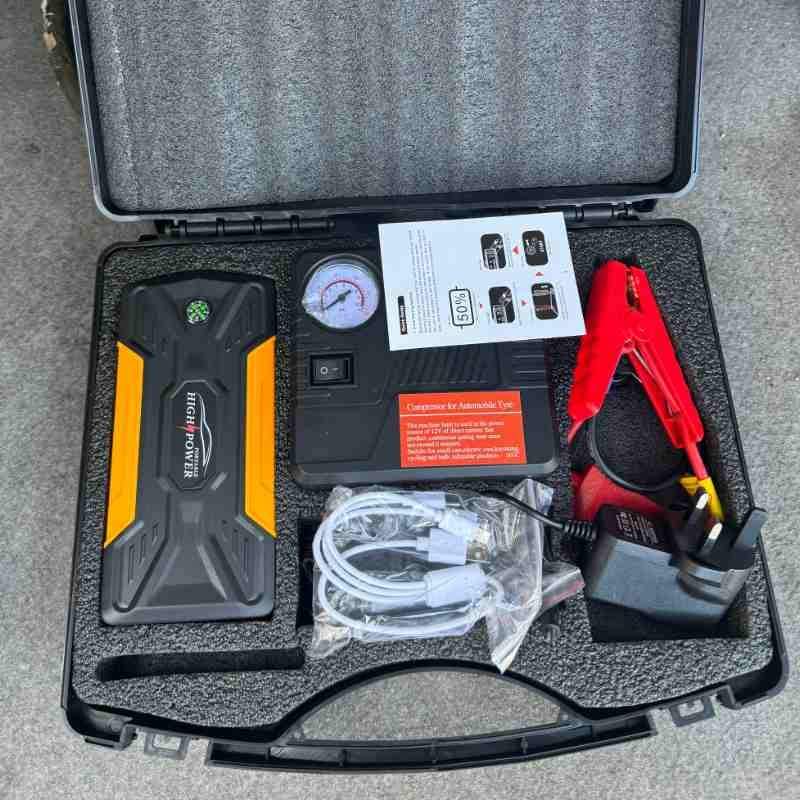
Technically, yes—but it’s rare if you buy a well-made model. If you’re asking, what size jump starter do I need, know that a jump starter that’s too powerful for your small car could cause issues, like voltage spikes, if the device lacks smart protection.
Choose a unit with built-in safeguards like:
- Short-circuit protection
- Over-voltage protection
- Automatic shutoff
- Spark-proof clamps
These features allow you to use a high-amp jump starter across multiple vehicles without fear of damage.
Final Tips for Choosing the Right Jump Starter Amperage
Conclusion
Understanding how many amps to jump start a car is essential when selecting the right portable portable jump starter.
The power needs of your vehicle vary depending on its size, whether it’s a small sedan or a heavy-duty truck.
Knowing these requirements ensures you choose the right device confidently. Once you’ve answered the question, what size jump starter do I need, you’ll be prepared for any situation, whether it’s a dead battery at home or on the road.
A reliable portable jump starter is more than just an investment in power—it’s about ensuring convenience and peace of mind. With the right tool in your trunk, you’ll always be prepared for the unexpected. If you have any questions, please contact us.