


What to Do When Your Jump Starter Not Working: Troubleshooting Guide for Portable Models


Paragraph
A reliable portable jump starter can be a lifesaver in emergencies, but what happens when you find your jump starter not working just when you need it most? Don’t panic—many issues can be resolved with the right approach. This jump starter troubleshooting guide is designed to help you quickly identify and fix common problems, from charging issues to connection errors.
We’ll walk you through essential checks and solutions, making it easier to get your portable jump starter back in action. With step-by-step guidance and practical tips, you’ll be well-prepared to tackle most challenges and keep your device ready for whenever you need it. Let’s get started on troubleshooting now.
What is a Portable Jump Starter?
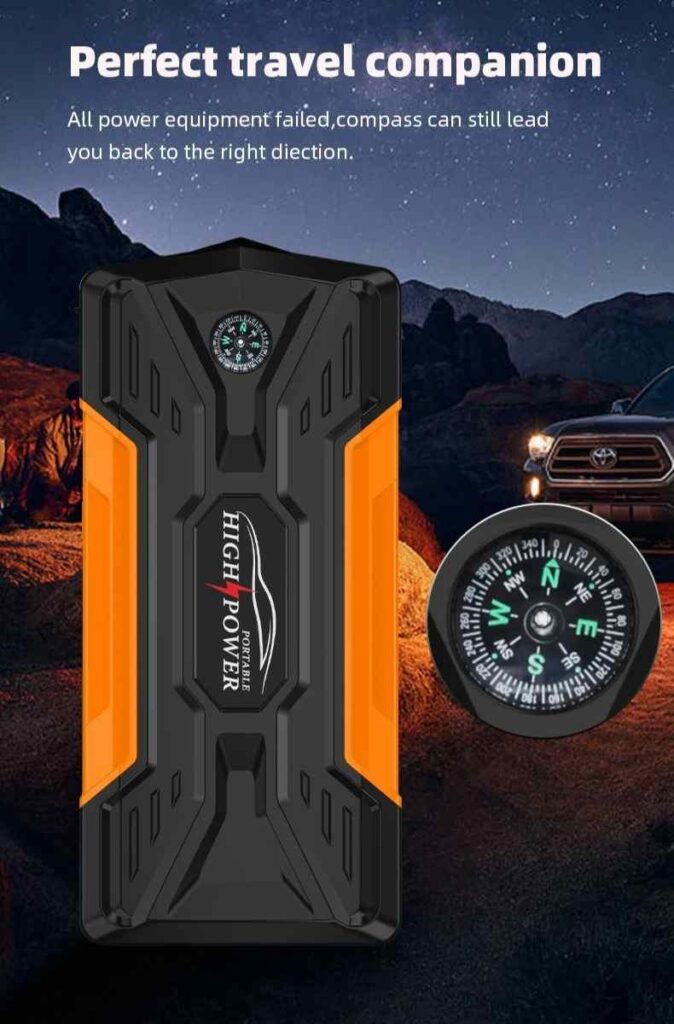
Portable Jump Starter is a compact and portable power supply device used to jump start dead car batteries, charge electronic devices, and provide emergency lighting. It consists of a rechargeable battery pack, jumper cables, USB ports for charging devices, and an LED flashlight.
The compact size makes it easy to store in your trunk or glove compartment for easy access during emergencies. Also, its lightweight design makes it convenient to carry around. Moreover, the device is equipped with safety features such as reverse polarity protection and spark-proof technology to ensure safe usage.
How does a Portable Jump Starter Work?
A portable jump starter works by delivering a strong surge of electricity to your vehicle’s battery, allowing the engine to start when the battery is dead or severely drained. To use it, first make sure the jump starter itself is fully charged. Then, connect the clamps correctly—attach the red clamp to the positive terminal and the black clamp to the negative terminal of your car battery.
Thanks to built-in smart technology, most jump starters prevent incorrect polarity and sparks, making the process safer. Once the connections are secure, power on the jump starter and start your vehicle. After the engine is running, disconnect the clamps in reverse order and store the device safely.
If you’re wondering how many amps to jump start car engines effectively, the answer depends on your vehicle type and conditions. Compact cars typically need 250–300 amps, while trucks or cold weather may require 400–600 amps. Knowing how many amps to jump start car batteries helps you choose a jump starter that’s powerful enough for your needs, ensuring you’re prepared for emergencies.
Benefits of Jump Starters
If you’re worried about your jump starter not working, many modern models use reliable lithium-ion batteries, which are more energy-efficient and have a longer lifespan compared to lead-acid batteries. By investing in a jump starter, you ensure safety, protect your vehicle’s electrical system, and contribute to a cleaner environment.
6. Additional Features – Jump Starter Not Working
Aside from its primary function of jump starting your vehicle, some portable jump starter come with additional features that can come in handy in emergency situations.
Some models may include built-in flashlights or USB ports for charging electronic devices. This can be especially useful if you find yourself stranded on the side of the road at night or need to charge your phone during an unexpected car breakdown.
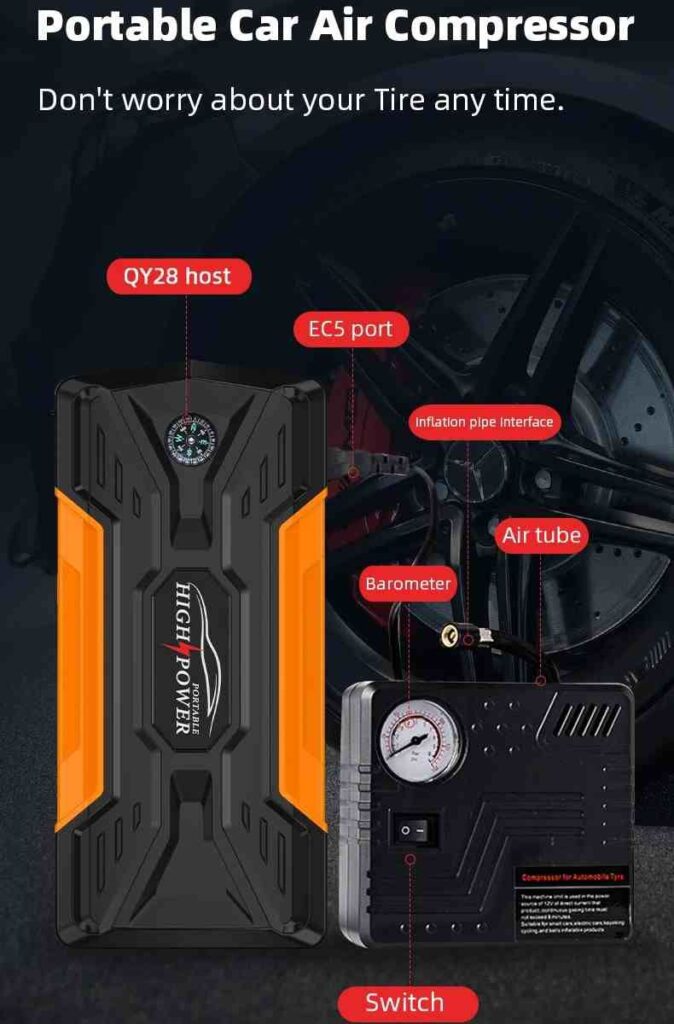
Other jump starters may also have built-in air compressors for inflating tires or other inflatable objects. This can be a convenient feature to have, especially if you regularly travel long distances or go camping.
Some jump starters even come with built-in safety features such as overload protection and reverse polarity protection, which can prevent damage to your vehicle’s battery and electronics.
Troubleshooting a Portable Jump Starter Not Working
Troubleshooting a Portable Jump Starter Not Working
Jump starter not working? Don’t panic! This jump starter troubleshooting guide will help you diagnose and fix common issues quickly.
Portable jump starters are lifesavers when your car battery dies, but like any electronic device, they can sometimes fail. Follow this systematic guide to get your jump starter back in action.
1. Check the Power Level – Jump Starter Not Working
One of the most basic—and often overlooked—steps before using a portable jump starter is checking whether it has enough charge. Many models require at least 75% battery level to successfully start a vehicle. If the device has been sitting unused for a while, its internal battery may have self-discharged. In such cases, connect it to the appropriate charger and allow it to fully recharge before use.
Always use the recommended charging cable and wall adapter that came with the device. Third-party chargers may not supply the correct voltage, resulting in incomplete or failed charging. Once your jump starter is fully charged, try using it on your car again.
If you’re unsure how many amps to jump start car batteries effectively, know that smaller vehicles usually need 250–300 amps, while larger vehicles or cold weather may require 400–600 amps. Keeping your jump starter properly charged—and understanding how many amps to jump start car—ensures you’re ready when emergencies strike.
2. Inspect the Clamps and Cables – Jump Starter Not Working
Damaged or corroded jumper clamps and cables can prevent a solid electrical connection between your portable jump starter and the car battery. Look for frayed wires, rust on the clamps, or bent prongs. Also, ensure the clamps open and close tightly—loose clamps won’t grip the battery terminals properly.
Clean any corrosion with a wire brush and make sure the metal contact surfaces are shiny and bare. If the cables or clamps appear damaged, contact the manufacturer or replace the unit if parts aren’t user-serviceable.
3. Verify Proper Connection – Jump Starter Not Working
Incorrect or loose connections are another common reason for a jump starter to fail. Always connect the red clamp to the positive (+) terminal of the car battery and the black clamp to the negative (–) terminal or a clean ground on the vehicle frame. Make sure both clamps are firmly attached and not slipping off due to poor alignment or grease buildup.
If your jump starter has safety features, such as reverse polarity protection or warning lights, they will prevent operation if the clamps are connected improperly.
4. Wait Before Trying Again – Jump Starter Not Working
Some models have safety circuitry that automatically disables output after failed or incorrect attempts. If your first jump-start fails or you disconnect and reconnect the clamps too quickly, the unit might lock itself temporarily. In such cases, turn the unit off, disconnect it, wait a few minutes, and try again. Refer to the manual for reset instructions specific to your model.
5. Evaluate Temperature Conditions
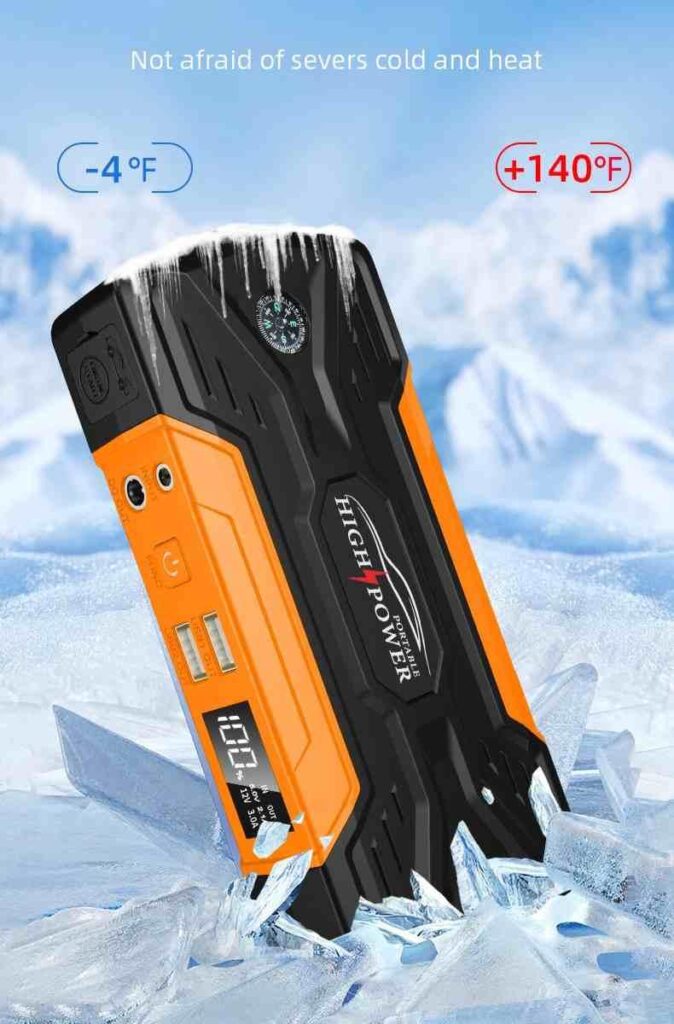
Portable jump starters use lithium-ion or lithium-polymer batteries, which are sensitive to temperature. Extremely cold or hot environments can affect battery performance. If the unit was stored in a cold garage or overheated in a hot trunk, allow it to return to room temperature before using it.
Some advanced models include thermal protection and won’t work until conditions are within safe limits. Others might show warning lights to indicate overheating or freezing.
6. Check for Internal Faults – Jump Starter Not Working
If none of the above steps resolve the issue, the problem may be internal. Battery degradation over time, a faulty circuit board, or damaged safety mechanisms can all lead to failure. Portable jump starters typically have a lifespan of 3–5 years depending on usage and storage habits.
Check if your unit is still under warranty. Contact the manufacturer with the serial number and description of the issue. They might offer a repair, replacement, or discount on a new model.
7. Test on a Different Vehicle or Device – Jump Starter Not Working
Sometimes the issue lies not in the jump starter but in the car battery. If the battery is deeply discharged, sulfated, or otherwise damaged, it may not accept a jump. Try using the jump starter on another vehicle or a compatible 12V device to rule out issues with the battery itself.
By methodically checking each potential issue, you can often pinpoint why your portable jump starter isn’t working. Regular charging, safe storage, and proper handling will also extend the life of your device and reduce the chance of problems when you need it most.
Advanced Troubleshooting – Jump Starter Not Working
If basic troubleshooting fails to resolve the issue, inspect the internal components of your jump starter. Begin by checking the fuse; a blown fuse can disrupt the flow of power. Replace it with a compatible one if necessary. Next, examine the internal battery for signs of swelling, corrosion, or damage. If the battery shows wear, it may need replacement.
Additionally, inspect the cables and clamps for frayed wires or loose connections, as these can prevent proper function. For advanced testing, use a multimeter to verify the output voltage against the manufacturer’s specifications. If problems persist, consulting a professional technician or reaching out to the manufacturer’s support team can help identify and address complex issues effectively.
Preventive Maintenance Tips for Portable Jump Starter
To ensure your portable jump starter remains reliable and lasts for years, follow these simple preventive maintenance tips—especially if you’ve ever faced the frustration of a jump starter not working when you needed it most.
- Check the charge level regularly and recharge as needed. Most modern jump starters include battery level indicators—don’t let it drop too low.
- Store the device in a cool, dry place away from direct sunlight. Extreme heat or cold can impact battery performance and shorten its lifespan.
- Keep it clean by wiping down the exterior with a damp cloth to remove dust and debris.
- Avoid moisture exposure. Never use the jump starter if it gets wet—dry it thoroughly before attempting to operate.
- Inspect cables and clamps before each use. If you spot fraying, cracking, or other damage, stop using it immediately and replace the faulty components.
- Stay away from high-voltage areas like power lines when operating your jump starter to prevent personal injury and equipment damage.
- Know your model’s safety features. Many devices come with built-in protections like overcharge, short circuit, and reverse polarity safeguards.
Taking these steps can help prevent the dreaded issue of a jump starter not working in critical moments—keeping you safe and your vehicle ready for the road.
Conclusion – Jump Starter Not Working
Troubleshooting a portable jump starter that’s not working involves a careful review of several key areas—from checking the battery charge and connections to inspecting cables and clamps for damage.
By following a systematic jump starter troubleshooting guide “Jump Starter Not Working”, you can often pinpoint and resolve common issues yourself. Regularly charging your device, storing it properly, and performing routine inspections are essential for ensuring your jump starter works when you need it most.
Never ignore warning signs such as rapid power loss, error messages, or unusual beeping—these may point to underlying issues that need attention. A bit of preventative maintenance can make all the difference. With proper care and usage, your portable jump starter will remain a dependable tool, ready to get your vehicle back on the road when you need it most. If you have any questions, please contact us.