Can You Use an Electric Cleaning Brush on Glass or Mirrors?

Can You Use an Electric Cleaning Brush on Glass or Mirrors? 7 Reasons Why You Can — Safely and Effectively
When it comes to cleaning glass or mirrors, most people instinctively reach for a cloth and some spray. But if you’ve ever spent what feels like forever trying to remove stubborn smudges, streaks, or soap scum, you might have wondered: can you use an electric cleaning brush on glass or mirrors?
The short answer is yes, you can — but only if you do it correctly. With the right attachments, speed setting, and cleaning products, an electric cleaning brush can actually make your glass and mirrors shine like never before — saving you time, effort, and frustration.
In this post, we’ll walk you through exactly how to do it safely, why it works so well, and what to avoid to protect your surfaces.
Let’s dive in.
1. Understanding How an Electric Cleaning Brush Works
Before we jump into whether or not you can use an electric cleaning brush on glass or mirrors, let’s quickly understand how these devices function.
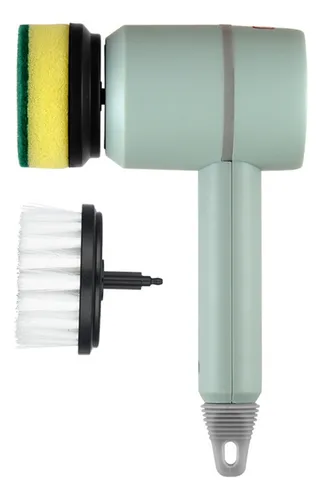
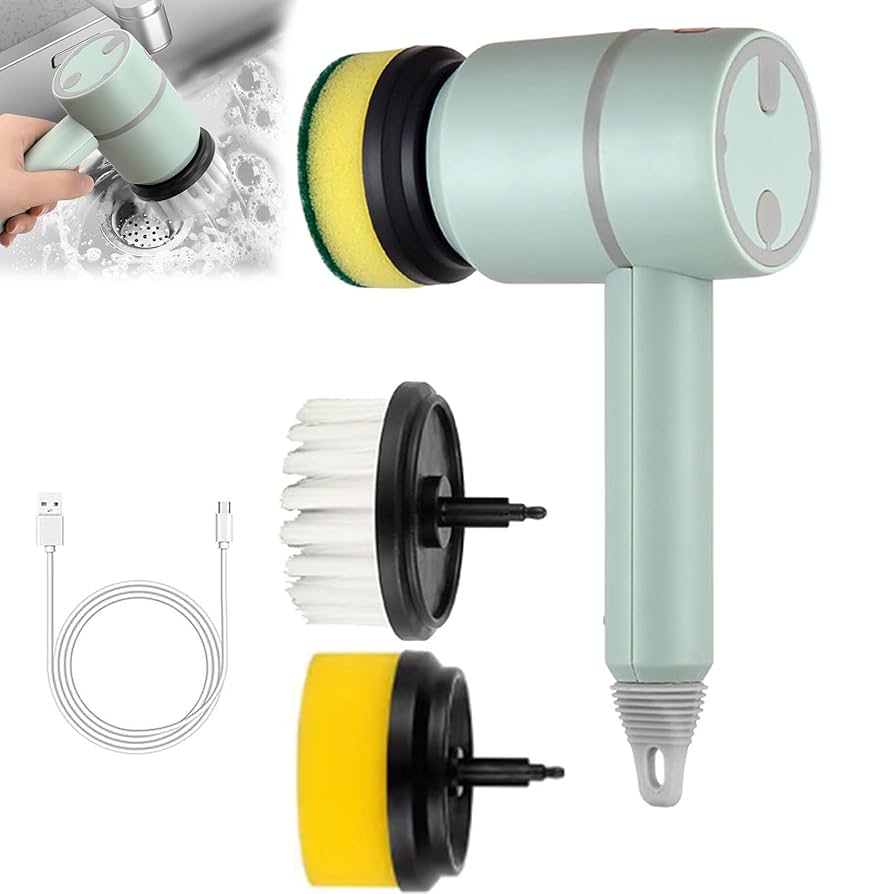
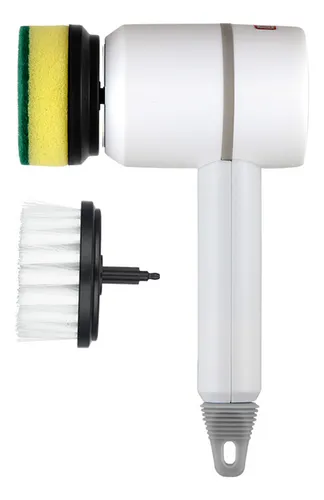
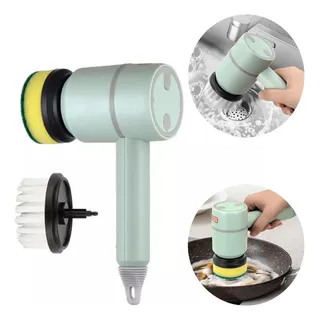
An Electric Cleaning Brush uses a rotating or oscillating motion to scrub away dirt and grime. Most models come with interchangeable brush heads — each designed for specific surfaces like tile, metal, or plastic. Some brushes even include soft sponge or microfiber pads, which are perfect for delicate surfaces like glass.
The motion does the hard work for you, meaning you apply less physical pressure while achieving a deeper clean. This is what makes electric cleaning brushes such a game-changer for household cleaning.
So, can you use an electric cleaning brush on glass or mirrors? Absolutely — as long as you select the right brush head and handle it with care.
2. Why It’s Safe (and Smart) to Use an Electric Cleaning Brush on Glass or Mirrors
Many people worry that using an electric cleaning brush on a glass surface will cause scratches. It’s a fair concern — glass is smooth, and mirrors are even more delicate due to their reflective coating.
But here’s the truth: when used properly, an electric cleaning brush can safely clean both glass and mirrors without causing any damage. In fact, it can make the process easier and more effective than manual scrubbing.
Here’s why:
✔️ Soft Brush Heads Prevent Scratches
Most modern electric brushes come with soft, non-abrasive attachments made specifically for delicate surfaces. These include sponge pads, microfiber pads, or very soft nylon bristles that gently lift dirt and smudges without leaving marks.
✔️ Even Pressure Distribution
Unlike hand cleaning (where pressure can be uneven), an electric cleaning brush applies consistent motion and pressure, which helps prevent streaks and scratches.
✔️ Controlled Speed Settings
If you’re worried about intensity, choose a brush with adjustable speed settings. Low-speed rotations are perfect for mirrors and glass, while higher speeds can be reserved for tougher surfaces like tile or metal.
✔️ Better Results in Less Time
An electric cleaning brush can remove grime, fingerprints, and water stains in seconds — leaving you with spotless glass and mirrors. It’s especially effective in bathrooms where mirrors often fog up or collect soap residue.
So yes, you can use an electric cleaning brush on glass or mirrors, and not only is it safe — it’s smart cleaning.
3. How to Use an Electric Cleaning Brush on Glass or Mirrors (Step-by-Step)
Now that you know it’s possible, let’s go through the exact steps to get the best, streak-free results every time.
Step 1: Choose the Right Attachment
Always start by selecting a soft brush head or a sponge pad attachment. These are designed for smooth surfaces. Avoid stiff bristles or scrub pads meant for tile or grout.
Step 2: Use a Suitable Cleaner
For mirrors and glass, use a gentle, non-abrasive cleaner. A glass cleaner or a vinegar-water solution works great. Avoid anything with grit or harsh chemicals that could etch the surface.
Step 3: Apply the Cleaner
Spray the cleaner directly onto the glass or mirror. Don’t apply it on the brush itself — this ensures an even spread and prevents oversaturation.
Step 4: Turn on the Brush and Clean in Circles
Switch your brush to a low-speed setting and move it in circular motions across the surface. Work from top to bottom to prevent drips.
Step 5: Wipe Dry
After scrubbing, wipe the glass with a dry microfiber cloth to remove any leftover moisture or residue.
Step 6: Buff for Extra Shine
For a mirror-like finish, give the surface a final buff with a clean, dry cloth.
And that’s it — your mirrors and glass surfaces will look crystal clear with minimal effort.
4. Common Mistakes to Avoid When Using an Electric Brush on Glass or Mirrors
Even though these brushes are safe, there are still a few mistakes people make that can damage the surface or reduce the brush’s lifespan.
Here’s what not to do:
❌ Using the Wrong Attachment
Never use a hard-bristled head or one that’s meant for scrubbing grout. These can cause micro-scratches on glass surfaces.
❌ Applying Too Much Pressure
Let the brush do the work. Pressing too hard won’t make it clean faster — it’ll only wear down your brush and possibly harm your surface.
❌ Using Harsh Chemicals
Avoid ammonia or bleach-based products, as they can damage mirror coatings over time. Stick with mild cleaners.
❌ Ignoring Regular Brush Maintenance
Rinse and dry your brush attachments after every use. Residual dirt or dust can cause scratching next time you clean.
❌ Cleaning Hot or Sun-Heated Glass
If you clean glass when it’s hot (like a sunlit window), the cleaner will evaporate too quickly, causing streaks. Always clean cool surfaces.
By avoiding these common missteps, you’ll make sure your electric cleaning brush keeps your glass and mirrors spotless without any damage.
5. The Real Benefits of Using an Electric Brush on Glass and Mirrors
You might be wondering if the investment in an electric cleaning brush is worth it for just glass and mirrors. But once you try it, you’ll realize it’s not just worth it — it’s a cleaning revolution.
Here’s what makes it such a great addition to your cleaning routine:
✅ Time-Saving Efficiency
Manual scrubbing can take ages, especially when you’re fighting soap scum or fingerprints. An electric cleaning brush cuts that time dramatically.
✅ Streak-Free Results
The consistent motion of the brush helps distribute cleaning agents evenly and prevents streaks — something hard to achieve by hand.
✅ Gentle Yet Powerful
The right combination of speed and soft attachments removes grime gently but effectively, preserving your glass and mirrors’ clarity.
✅ Versatility
You can use the same brush for glass, mirrors, tiles, sinks, bathtubs, and even car windows — making it an all-in-one tool.
✅ Cost-Effective in the Long Run
While an electric cleaning brush might seem like an investment upfront (usually around €40–€80), it saves you money on replacement cloths, cleaners, and time — which is priceless.
And yes — you can buy a reliable, high-quality model right here in Malta!
If you’d like to get one for your home, you can order directly from our store:
👉 Check out our Products.
6. What Type of Glass and Mirrors Can You Clean with an Electric Brush?
Not all glass surfaces are created equal. Some are more delicate or have coatings that require extra care. Let’s look at where it’s best to use an electric brush — and where you should be more cautious.
Perfect Surfaces:
- Bathroom mirrors: Ideal for removing toothpaste splatters and water stains.
- Glass shower doors: Excellent for tackling soap scum and hard water build-up.
- Car windows and windshields: Great for exterior cleaning, especially when using a soft pad and gentle cleaner.
- Home windows: Works beautifully, particularly on the inside.
Use With Caution:
- Tinted or frosted glass: Always test a small area first to make sure the surface doesn’t dull.
- Mirrors with decorative coatings or antique frames: Clean gently and avoid edges.
When used correctly, you can use an electric brush on glass or mirrors across nearly every part of your home — and even your car — without fear of scratching or damage.
7. Pro Tips for the Perfect Finish Every Time
To wrap up this first half of the guide, let’s go over some expert cleaning tips to make your glass and mirrors shine effortlessly:
- Work in sections. Don’t try to clean large surfaces all at once — divide them into smaller areas for better control.
- Use distilled water if you live in an area with hard water (which is common in Malta). This prevents streaking.
- Dry immediately. Don’t let water or cleaner sit on glass too long; it can leave marks.
- Clean regularly. Frequent quick cleans mean less buildup — and less work later.
- Store your brush dry. Always remove the head and let it air out to prevent mold.
With these simple habits, you’ll keep your glass and mirrors sparkling longer — and your electric cleaning brush will stay in top shape.
8. The Science Behind Why Electric Brushes Work So Well
To understand why an electric cleaning brush outperforms traditional scrubbing, let’s look at a bit of simple science.
The key lies in rotational motion and consistent friction.
When you clean glass manually with a cloth, your hand moves unevenly. Some areas get more pressure, others less, which often leaves streaks. An electric cleaning brush, however, maintains a constant speed and motion — distributing energy evenly across the surface.
This motion helps to:
- Lift particles more effectively (especially dust, dried soap, or toothpaste residue).
- Break down grime at a microscopic level.
- Reduce hand fatigue — since you’re not exerting pressure manually.
Essentially, it’s the same reason why electric toothbrushes clean better than manual ones — the oscillating motion is simply more efficient.
And when used properly, it’s safe, streak-free, and gives you that professional shine without the effort.
So yes, you can use an electric cleaning brush on glass or mirrors, and it’s not just convenient — it’s scientifically smarter.
9. Choosing the Right Electric Brush for Glass and Mirrors
Not all brushes are created equal. If you want perfect, scratch-free results, you’ll want to choose your electric cleaning brush carefully.
Here’s what to look for:
1. Adjustable Speed Settings
Choose a brush that allows you to control the speed. Low speed is best for delicate glass, while higher speeds are great for tiles and tough stains.
2. Interchangeable Heads
You’ll want multiple attachments — including a soft sponge, microfiber pad, or fine-bristle brush for mirrors and glass.
3. Waterproof or Water-Resistant Design
Since you’ll often use it in damp areas like bathrooms, a waterproof design ensures safety and longevity.
4. Comfortable Grip
An ergonomic handle helps you maneuver easily, especially for tall mirrors or shower doors.
5. Rechargeable Battery
Cordless options are more convenient and versatile. Look for one that lasts at least 60 minutes per charge.
💡 Pro Tip: A high-quality model in Malta typically costs between €49.90 and €79.90, depending on features.
If you’re ready to upgrade your cleaning routine, you can check out one of our top-rated options here:
👉 Check out our Products
10. Comparing Electric vs. Manual Cleaning on Glass and Mirrors
Let’s settle the classic debate: is an electric cleaning brush really that much better than manual scrubbing?
Here’s a quick side-by-side comparison:
| Feature | Electric Cleaning Brush | Manual Cleaning |
|---|---|---|
| Cleaning Speed | Fast (saves 50–70% time) | Slower, labor-intensive |
| Effort Level | Minimal – powered rotation | High – fully manual |
| Consistency | Even pressure and motion | Uneven, depends on user |
| Surface Safety | Safe with soft attachments | Risk of over-scrubbing |
| Result | Streak-free, polished shine | Often streaky or dull |
| Durability | Long-lasting with care | Sponges and cloths wear fast |
| Cost (Malta) | €49–€79 once | €15–€20 yearly replacements |
So, can you use an electric cleaning brush on glass or mirrors and actually get better results?
✅ Absolutely. You’ll clean faster, with less effort, and achieve a more professional finish — every single time.
11. Maintaining Your Electric Brush
To make sure your brush lasts (and keeps performing at its best), proper maintenance is essential.
Here’s how to keep it in top condition:
1. Rinse After Every Use
After cleaning, detach the head and rinse it under warm water to remove any soap or residue.
2. Air Dry Thoroughly
Always let the attachments air dry before storing to prevent mold or odor.
3. Recharge Regularly
Don’t let the battery completely drain — partial recharges help extend its lifespan.
4. Replace Attachments as Needed
Depending on usage, replace heads every 3–6 months for optimal performance.
5. Store Safely
Keep your brush in a dry area, away from direct sunlight or humidity.
By caring for your brush properly, you’ll make it last for years — and your glass and mirrors will keep looking spotless.
12. Real-Life Uses: Where Maltese Homes Benefit Most
In Malta, humidity and mineral-heavy water can make it difficult to keep glass and mirrors clean — especially in bathrooms and coastal areas.
That’s where an electric cleaning brush shines. Here are the most common (and effective) ways to use it locally:
1. Bathroom Mirrors
Perfect for tackling fog residue, toothpaste splatters, and fingerprints.
2. Shower Doors
Hard water stains and soap scum are no match for a soft-bristle electric brush.
3. Windows
Ideal for regular cleaning — especially during dusty summer months.
4. Car Windows
Use a microfiber attachment with a gentle cleaner for streak-free visibility.
5. Glass Tables or Shelves
Quickly removes dust and handprints without scratching.
For homeowners in Malta who value a spotless, low-maintenance home, this small tool makes a big difference.
13. Bonus: Eco-Friendly Cleaning with Electric Brushes
If you’re environmentally conscious, you’ll be happy to know that electric cleaning brushes can actually help reduce waste.
Here’s how:
- You use less cleaning product — the rotating motion spreads it more efficiently.
- You throw away fewer sponges and wipes, reducing landfill waste.
- Reusable heads last for months instead of weeks.
- Many modern models are rechargeable, eliminating disposable batteries.
So not only can you use an electric cleaning brush on glass or mirrors effectively — you can do it in a way that’s kinder to the planet.
14. Safety Tips for Using Electric Brushes on Glass
While these devices are safe, it’s still important to handle them wisely — especially on fragile surfaces like mirrors.
Keep these tips in mind:
- Avoid extreme pressure. The motorized motion already provides enough cleaning power.
- Test first. Try a small corner before cleaning an entire surface.
- Keep away from edges. Mirrors can be sensitive along their borders.
- Don’t mix chemicals. Stick to one safe cleaner at a time.
- Use protective gloves. Not necessary, but good for grip and safety.
These precautions ensure your surfaces stay flawless and your brush works as intended.
15. When NOT to Use an Electric Brush on Glass
Even though it’s safe in most cases, there are a few rare situations where you should hold off:
- If the glass is cracked or chipped. The vibration could make it worse.
- On antique mirrors. These often have delicate back coatings.
- If the surface is painted or decorative. Always check first if it’s suitable.
Otherwise, for standard household glass and mirrors, you’re good to go!
16. Can You Use an Electric Cleaning Brush on Glass or Mirrors Daily?
Yes, you can — and it’s actually recommended.
Frequent light cleaning prevents dirt and soap buildup, so your surfaces stay spotless with minimal effort.
Just remember to use a low speed, gentle cleaner, and soft attachment.
You’ll quickly notice how effortless cleaning becomes.
17. Final Verdict: Why You Should Use an Electric Brush on Glass or Mirrors
So — can you use an electric cleaning brush on glass or mirrors?
The verdict is a resounding yes.
Here’s a quick recap of why:
- ✅ It’s safe with the right attachment.
- ✅ It’s faster and easier than manual scrubbing.
- ✅ It provides a streak-free, polished finish.
- ✅ It’s cost-effective and eco-friendly.
- ✅ It works perfectly for homes in Malta — where humidity and water stains are common.
If you’re ready to simplify your cleaning routine and get that crystal-clear shine without the hassle, it’s time to make the switch.
🧼 Check Out Our Products
You can find high-quality, affordable electric cleaning brushes right here:
👉 Check out our Products
Each model is carefully tested for performance, safety, and durability — perfect for glass, mirrors, tiles, and more.
📞 Contact Us
If you have questions or want help choosing the best model for your home, our team would love to assist you!
Reach out today:
👉 Contact us here
We’ll help you find the right electric brush that fits your needs, budget, and surfaces — so you can clean smarter, not harder.
Conclusion
So, can you use an electric cleaning brush on glass or mirrors?
Yes — and when you do, you’ll wonder how you ever cleaned without it.
It’s quick, efficient, safe, and perfect for any home in Malta looking for sparkling mirrors and spotless glass without all the elbow grease.
Make the switch today — your reflection (and your cleaning routine) will thank you.